

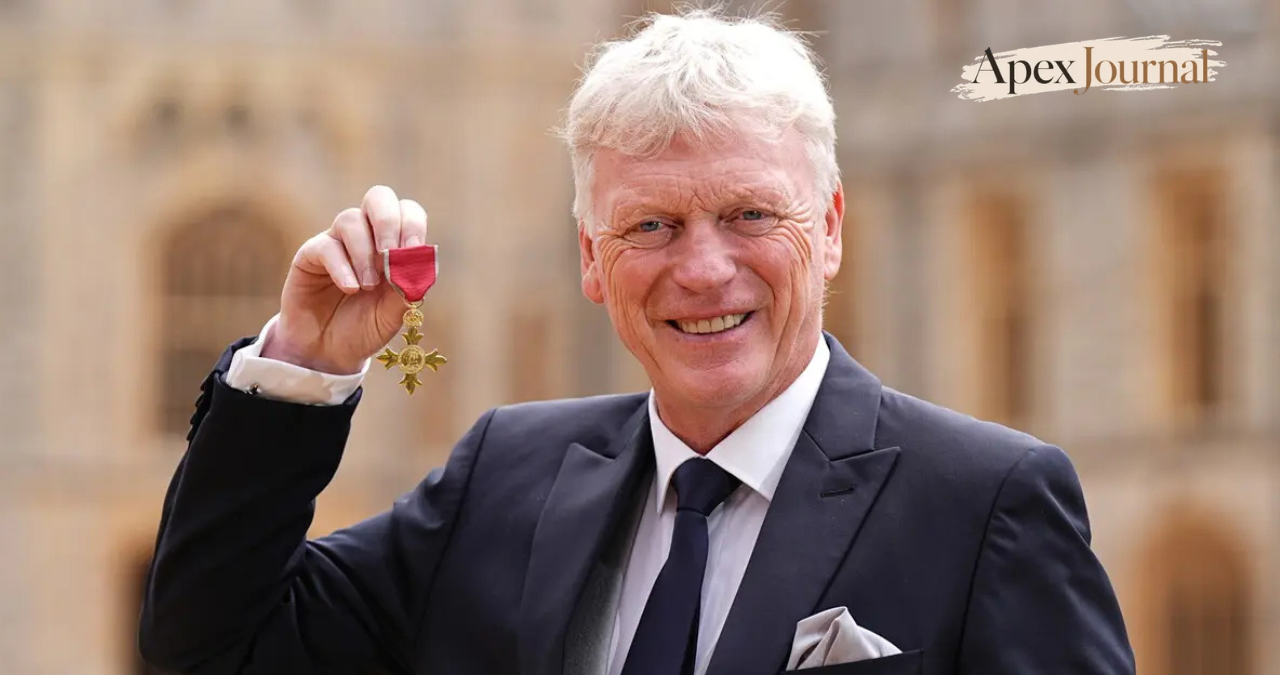
Football has always loved flashy personalities. The loud managers, the dramatic press conferences, the endless headlines — they tend to dominate the conversation. But then there’s David Moyes, a manager who built his reputation in a very different way. No constant theatrics, no oversized ego, no obsession with attention. Just years of hard work, discipline, and surprisingly consistent results.
And honestly, that’s probably why his story is so interesting.
For many football fans, David Moyes represents something rare in the modern game: stability. While football keeps moving faster, becoming more commercial and chaotic every season, Moyes has remained remarkably grounded. Some people see him as old-school. Others believe he’s one of the most underrated managers of his generation. Depending on who you ask, both opinions somehow make sense.
What’s undeniable, though, is this: David Moyes has survived and succeeded in one of the toughest industries in the world for decades. That doesn’t happen by accident.
Understanding David Moyes
Who Is David Moyes?
David Moyes is a Scottish football manager and former professional player. Born in Glasgow in 1963, he developed a strong connection to football early in life. His playing career was respectable rather than legendary, but management is where he truly made his name.
Most football fans first associate him with Everton F.C., where he spent more than a decade building competitive teams despite having a much smaller budget than the Premier League giants around him.
Later, David Moyes managed clubs such as Manchester United F.C., West Ham United F.C., and Real Sociedad. Some of those experiences were successful, others extremely challenging, but together they shaped a career that’s far more layered than people sometimes realize.
Why Is David Moyes Still Relevant?
That’s actually a good question.
Football changes quickly. Managers come and go constantly. A few bad months can destroy reputations overnight. Yet David Moyes has remained relevant across multiple eras of football.
Part of that comes down to resilience. Even after difficult periods — especially his widely criticized spell at Manchester United — he kept rebuilding his reputation through solid work elsewhere. Not every manager can recover from that level of scrutiny.
There’s also something strangely refreshing about his style. In an era obsessed with hype and branding, Moyes often feels authentic. He doesn’t try too hard to be revolutionary, and maybe that’s part of his appeal.
How David Moyes Works: Key Concepts Behind His Management Style
Structure Comes First
One of the clearest characteristics of David Moyes is organization. His teams are usually disciplined, compact, and tactically prepared.
He’s not the type of manager who wants chaos on the pitch. Instead, he focuses on balance. Defensive structure often comes before attacking freedom, which sometimes leads critics to label his football as cautious. But football isn’t always about nonstop attacking flair. Winning matters too.
And to be fair, Moyes has won plenty of matches through intelligent tactical setups.
Player Development Matters
Throughout his career, David Moyes has shown a strong ability to improve players. During his Everton years especially, several footballers developed significantly under his guidance.
Players often mention his honesty and straightforward communication style. He expects hard work, commitment, and professionalism. In return, he gives players trust and clear responsibilities.
That kind of environment can help athletes grow quickly.
Pragmatism Over Ideology
Some modern managers are deeply attached to one football philosophy no matter the situation. Moyes tends to be more flexible.
He adapts according to the players available, the strength of the opposition, and the realities of the club he’s managing. That may sound simple, but it’s surprisingly difficult in elite football where egos and expectations constantly interfere.
David Moyes has never really seemed obsessed with appearing “stylish” as a coach. Results usually come first.
Why David Moyes Matters in Modern Football
Success Without Unlimited Spending
Modern football often revolves around money. Huge transfer budgets dominate discussions every summer, and many clubs rely heavily on financial power.
That’s why managers like David Moyes stand out.
At clubs without massive resources, he consistently managed to create competitive teams. His Everton side regularly challenged wealthier opponents, while his work at West Ham brought genuine progress and even European success.
That ability to maximize limited resources is one of the biggest reasons he continues to earn respect within football circles.
Stability During Difficult Times
Football clubs can become unstable very quickly. A few poor results create panic, media pressure grows, fans become frustrated, and suddenly everything feels chaotic.
Moyes often acts as a stabilizing figure in those situations.
He’s experienced enough to avoid emotional overreactions, and that calmness can help entire clubs regain focus. Not every manager has that temperament.
Experience Still Has Value
There’s a growing fascination with young tactical masterminds in football. While innovation matters, experience still plays an enormous role.
David Moyes has managed in different countries, under different ownership structures, and across multiple football eras. That knowledge is difficult to replace.
Sometimes experience doesn’t look exciting on television, but it can quietly make all the difference behind the scenes.
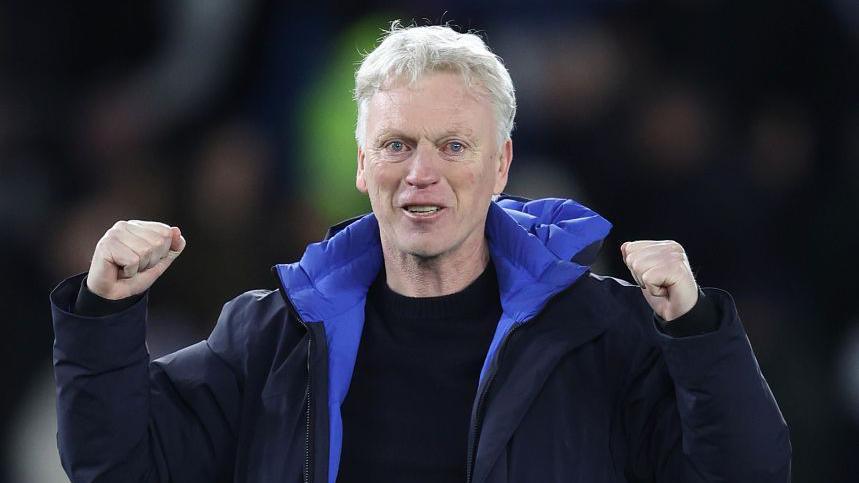
Practical Examples from David Moyes’ Career
Everton: Building a Competitive Team the Hard Way
For many football fans, Moyes’ work at Everton remains his greatest achievement.
Competing financially with clubs like Arsenal, Chelsea, and Manchester United was nearly impossible at the time. Yet Everton consistently finished in respectable league positions and occasionally challenged for European qualification.
What made it impressive was the consistency. His teams were rarely spectacular, but they were difficult to beat and usually very organized.
Manchester United: An Impossible Situation?
Replacing Sir Alex Ferguson at Manchester United was arguably one of the hardest jobs in football history.
The expectations were unrealistically high from day one. Ferguson had dominated English football for years, and any successor was going to struggle under constant comparison.
David Moyes ultimately failed at the club, but with hindsight, many people now believe the problems at Manchester United ran much deeper than one manager alone.
That doesn’t erase the disappointment, of course, but it does add perspective.
West Ham and European Glory
His time at West Ham significantly improved public perception of his managerial abilities again.
Winning a European trophy with the club created unforgettable memories for supporters and proved that Moyes could still compete at a high level. In many ways, it felt like redemption.
Not dramatic redemption — that wouldn’t really fit his personality — but a quieter, more satisfying kind.
Tips and Lessons We Can Learn from David Moyes
Patience Often Wins
Football today is incredibly impatient. Managers are expected to deliver immediate success almost instantly.
David Moyes represents the opposite philosophy. His best achievements usually came from long-term planning, gradual improvement, and steady development.
That mindset applies well beyond football too.
Teamwork Beats Individual Ego
One consistent theme throughout Moyes’ career is collective responsibility. His teams rarely depend entirely on one superstar.
Instead, he builds systems where players work together and understand their roles clearly. That approach may not always produce glamorous football, but it often creates reliable performances.
Adaptability Is Essential
Another important lesson from David Moyes is the value of flexibility.
Different clubs require different solutions. Managers who refuse to adapt often struggle eventually. Moyes has shown a willingness to adjust tactics and expectations depending on the situation.
That realism has helped him survive in elite football for such a long time.
Common Misconceptions About David Moyes
“He Only Plays Defensive Football”
This criticism appears frequently, but it’s not entirely fair.
While his teams are usually defensively organized, they can also be aggressive and dangerous in transition. Some of his best sides played very effective attacking football, especially on counterattacks.
“He’s Outdated”
People sometimes assume David Moyes belongs to a previous football era. But football management isn’t only about trendy tactical systems or social media popularity.
Moyes continues adapting and evolving, even if he does it quietly.
“Manchester United Defines His Career”
This might be the biggest misconception of all.
Yes, his spell at Manchester United was disappointing. But reducing an entire managerial career to one difficult chapter ignores years of impressive achievements elsewhere.
Football careers are rarely that simple.
Interesting Facts About David Moyes
1. He Spent More Than a Decade at Everton
Longevity like that is increasingly rare in modern football.
2. He Won Multiple Manager of the Year Awards
That recognition reflected how highly respected his work became during his Everton years.
3. Fitness and Discipline Are Central to His Teams
Moyes has always emphasized work ethic and tactical organization.
4. He Managed in Spain
His experience with Real Sociedad gave him valuable international exposure outside English football.
5. Players Often Describe Him as Honest
He’s known for direct communication and clear expectations.
6. His Career Was Built Gradually
Unlike some managers who rise suddenly, David Moyes developed through years of steady progress.
7. He Rebuilt His Reputation More Than Once
Many managers never recover after major setbacks. Moyes did.
FAQs About David Moyes
Why is David Moyes famous?
David Moyes became famous mainly through his successful years at Everton, where he consistently built competitive teams despite financial limitations.
Did David Moyes win any trophies?
Yes. One of his biggest achievements was winning a European title with West Ham United.
What type of football does David Moyes prefer?
He generally favors organized, disciplined football with strong defensive structure and quick transitions.
Why did David Moyes struggle at Manchester United?
Replacing Sir Alex Ferguson created enormous pressure and expectations. The club also faced deeper structural issues during that period.
Is David Moyes still considered a top manager?
Yes. His experience, leadership, and ability to stabilize teams continue to make him highly respected in football.
Conclusion
David Moyes may never be remembered as the flashiest football manager of his generation. He doesn’t dominate headlines every week, and he rarely tries to turn himself into a celebrity. But maybe that’s exactly why his career deserves more appreciation.
Over decades, he has repeatedly shown resilience, intelligence, and a deep understanding of football management. He built strong teams with limited resources, survived intense criticism, and kept adapting even when many people doubted him.