

Some names become famous because they appear in headlines. Others become interesting because they quietly sit behind stories everyone already knows.
That’s part of what makes robert true houghton such an intriguing subject. For years, his name remained largely outside public attention, yet people became increasingly curious about him because of his connection to one of modern pop culture’s most recognizable families. But once you look beyond the celebrity connection, there’s another story—one about family history, personal identity, and the way certain individuals remain remembered through generations rather than public achievements alone.
Not every life leaves behind books, interviews, or endless public records. Sometimes a person becomes meaningful because of the people connected to them and the memories they leave behind.
So who exactly was Robert True Houghton, and why does his name continue to spark interest today?
Understanding Robert True Houghton
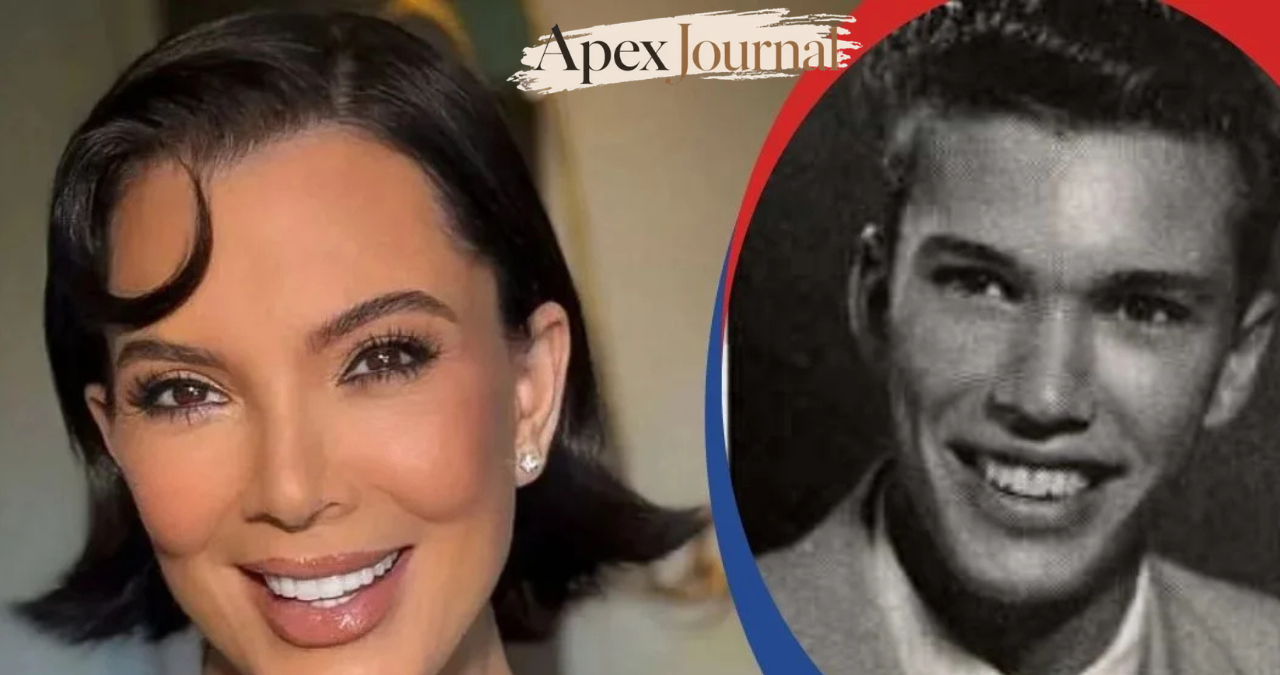
Robert True Houghton was born on May 12, 1931, in California and lived a relatively private life compared with the celebrity world later associated with his family. He was the son of True Otis Houghton and Mary Lee Pickens. He later married Mary Jo Campbell, and together they had children, including Kristen Mary Houghton—better known today as Kris Jenner.
Although his personal life was not heavily documented publicly, Robert True Houghton is often remembered through family history discussions and biographical references connected to later generations. He died in March 1975 in Mexico at the age of 43.
What’s interesting is that public curiosity about him grew long after his lifetime ended. That happens more often than people realize. Family figures who once lived ordinary lives sometimes become part of a much larger cultural narrative.
How It Works / Key Concepts
Understanding the continuing interest in Robert True Houghton requires looking at three overlapping ideas: family legacy, public curiosity, and inherited identity.
Family Legacy Extends Beyond Public Recognition
People often assume influence comes from fame.
But family influence works differently.
Someone may never become a public figure and still shape generations through values, relationships, and personal history. Family stories can outlive public achievements.
Public Curiosity Creates Historical Interest
Once descendants become widely known, audiences naturally become curious about earlier generations.
Questions appear:
- What were they like?
- What kind of environment shaped the family?
- Which traditions carried forward?
That curiosity often brings quieter historical figures back into public discussion.
Identity Is Built Across Generations
Names matter.
Histories matter.
Sometimes descendants preserve names or family traditions as a way to maintain continuity across decades.
That emotional connection can keep someone remembered long after public records stop growing.
Benefits / Importance / Why It Matters
At first glance, learning about someone like Robert True Houghton might seem niche.
But there’s actually something broadly relatable here.
It Reminds Us That Family History Matters
Many people know the names of celebrities but not the generations before them.
Exploring family backgrounds can reveal surprising stories and create a deeper understanding of how people and families evolve over time.
It Adds Human Context
Public figures often seem larger than life.
Looking backward reminds us that behind recognizable names are parents, grandparents, ordinary lives, and everyday experiences.
It Encourages Personal Reflection
You don’t need to belong to a famous family to find meaning in genealogy.
Learning about historical family figures often inspires people to ask questions about their own family stories.
Practical Uses, Examples, or Applications
You may wonder: what practical value does this kind of information actually have?
Quite a bit, surprisingly.
Genealogy Research
People researching family history often study individuals whose public footprints are limited but whose family connections become meaningful.
Cultural Storytelling
Writers, documentary creators, and historians frequently use family histories to explain broader cultural shifts.
Personal Heritage Projects
Many people create family trees, memoir collections, or digital archives inspired by stories like this.
Understanding Public Narratives
Celebrity histories rarely begin with celebrity.
Studying earlier generations gives context that headlines alone cannot provide.
Tips, Strategies, or Best Practices
If exploring family histories like Robert True Houghton’s interests you, these approaches can make the process more rewarding.
Start With Verified Facts
Names, dates, locations, and relationships provide structure before interpretation.
Avoid Filling Gaps With Assumptions
Limited public information doesn’t automatically mean dramatic stories exist.
Sometimes ordinary lives are complete stories on their own.
Focus on Context
Look at historical periods, family movements, and broader cultural environments.
Respect Privacy and Perspective
Not every historical figure sought public attention, and that context matters.
Common Mistakes or Misconceptions
Interest in historical family figures often creates assumptions that deserve a second look.
Misconception 1: Every Relative Was Publicly Famous
Most weren’t.
Public visibility usually arrives later in family timelines.
Misconception 2: Limited Information Means Hidden Secrets
Not necessarily.
Earlier generations simply documented less of their lives publicly.
Misconception 3: Family Influence Requires Wealth or Status
Influence often happens through values, parenting, traditions, and everyday decisions.
Misconception 4: Historical Interest Is Only for Researchers
Family history has become increasingly popular among ordinary people as a way to understand identity.
Interesting Facts or Insights
- Robert True Houghton was born in California in 1931.
- His parents were True Otis Houghton and Mary Lee Pickens.
- He married Mary Jo Campbell and later divorced.
- One of his daughters later became internationally recognized in media and entertainment circles.
- Despite modern interest, relatively little public documentation exists about his personal life.
- His story demonstrates how historical interest can emerge decades after a person’s lifetime.
- His name continues to appear in genealogy discussions and family-history research.
FAQs
Who was Robert True Houghton?
Robert True Houghton was an American family figure born in 1931 who later became known publicly through family connections and genealogy interest.
Why do people search for Robert True Houghton?
Most interest comes from curiosity about family history and understanding the background of later public figures.
Was Robert True Houghton a celebrity?
No, he was not widely known as a public celebrity during his lifetime.
When did Robert True Houghton pass away?
He died in March 1975 in Mexico at age 43.
What makes his story interesting?
His story highlights how family history, memory, and identity can keep someone relevant long after their own lifetime.
Conclusion
There’s something unexpectedly compelling about people who stand quietly in the background of history.
Robert True Houghton wasn’t known for public appearances, major business empires, or headline-making achievements. Yet his name continues to draw attention because it represents something people never seem to stop caring about: where stories begin.
Family history has a strange way of resurfacing. One generation becomes visible, and suddenly people want to understand the roots beneath it.
In that sense, the lasting interest in Robert True Houghton isn’t really about fame at all. It’s about connection, memory, and the realization that every widely recognized story usually starts with people nobody expected the world to ask about decades later.