
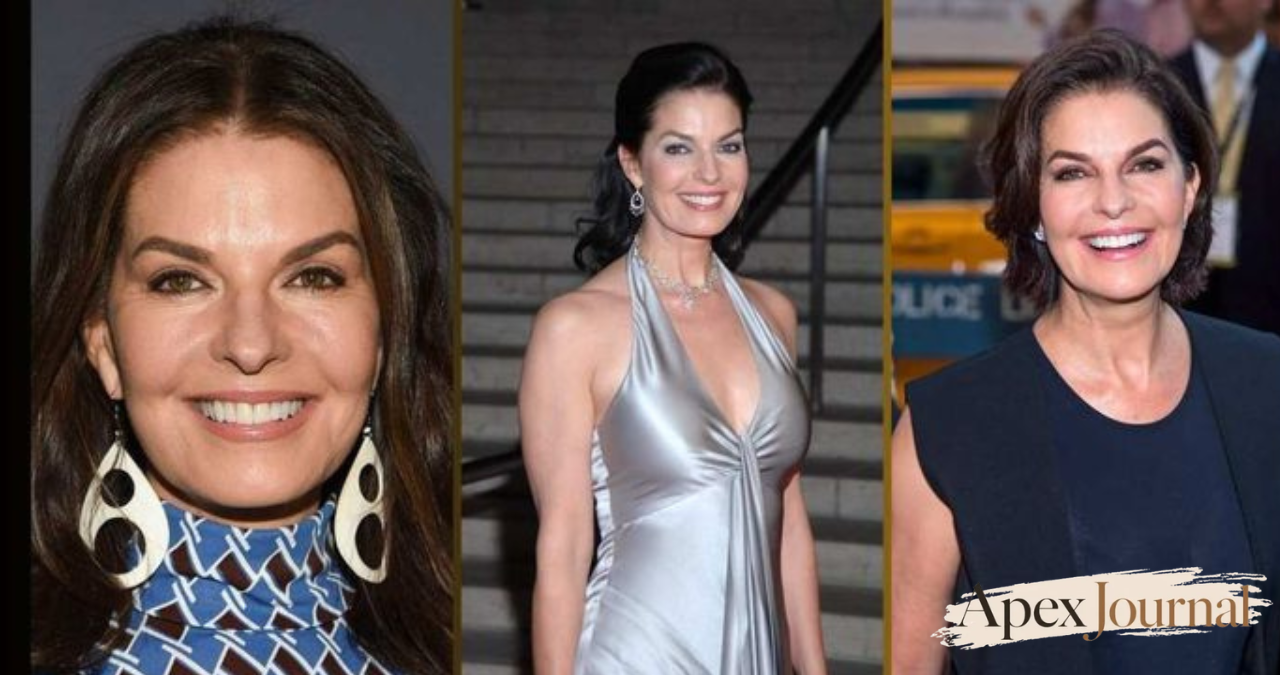
Celebrity health rumors spread faster than almost anything online. One strange headline, one tired-looking photo, or even a brief absence from television can suddenly spark endless speculation. That’s pretty much what happened with “sela ward illness.” Over the years, people have searched for information about the beloved actress, wondering whether she has faced serious health problems or hidden medical struggles.
The curiosity makes sense. Sela Ward has been a familiar face for decades, known for her graceful screen presence, emotional performances, and surprisingly grounded personality in interviews. Fans naturally become concerned when someone they admire appears less frequently in public life.
But here’s the thing: much of the online discussion surrounding sela ward illness is built on assumptions rather than confirmed facts. That doesn’t stop the topic from gaining traction, though. In fact, it opens up a broader conversation about celebrity wellness, aging in Hollywood, cosmetic procedures, public pressure, and how quickly misinformation can grow online.
This article explores what people mean when they search for “sela ward illness,” where the speculation comes from, why these rumors persist, and what can actually be learned from the conversation.
Understanding Sela Ward Illness
When people search for “sela ward illness,” they’re often trying to answer one simple question: Has Sela Ward been seriously ill?
As of publicly available information, there has been no widely confirmed report of a major chronic illness or life-threatening disease involving Sela Ward. Most discussions online appear connected to speculation about her appearance, aging process, and occasional public absence rather than verified medical disclosures.
That distinction matters.
In celebrity culture, especially for actresses, changes in appearance are often unfairly analyzed. A slight weight change, facial transformation, or reduced screen presence can trigger rumors almost instantly. Unfortunately, audiences sometimes mistake natural aging, stress, cosmetic work, or even simple privacy for evidence of illness.
In Ward’s case, some online chatter has centered around cosmetic surgery speculation. Others assume that because she stepped back from certain acting projects at different times, there must be an underlying health issue. Yet assumptions are not evidence.
Interestingly, the popularity of the search term “sela ward illness” says more about internet behavior than it does about the actress herself. People are deeply curious about celebrity vulnerability. They want reassurance that their favorite stars are okay. Sometimes that curiosity comes from genuine care; other times, it drifts into gossip territory.
How It Works: Why Celebrity Illness Rumors Spread So Easily
The Psychology of Public Curiosity
Humans are naturally drawn to stories involving health, recovery, and personal struggle. Celebrities feel familiar to us because we watch them for years, sometimes decades. When they disappear briefly or look different, people notice immediately.
That emotional attachment creates a cycle:
- Fans observe a change
- Speculation begins online
- Search traffic increases
- Websites publish unverified claims
- More people assume the rumors are true
Before long, a phrase like “sela ward illness” becomes a trending search despite limited factual information.
Social Media Amplifies Everything
Years ago, rumors traveled slowly through magazines or TV gossip programs. Now, one social media post can create massive speculation overnight.
A blurry screenshot or misleading headline can quickly become “evidence” in the public mind. Even harmless photos sometimes get dissected for signs of illness, fatigue, or aging.
Frankly, it can feel invasive.
Celebrities often lose the ability to simply grow older without public commentary. Sela Ward, like many actresses of her generation, has faced scrutiny that male actors frequently avoid.
Cosmetic Procedures vs. Illness Assumptions
One recurring aspect of sela ward illness discussions involves speculation about cosmetic surgery or facial procedures. This happens to many public figures.
When someone’s appearance changes noticeably, audiences sometimes interpret it as:
- A medical condition
- Recovery from illness
- Stress-related health problems
- Hidden personal struggles
In reality, appearance changes can result from dozens of ordinary factors:
- Aging
- Lighting and makeup
- Weight fluctuations
- Cosmetic treatments
- Lifestyle changes
- Temporary exhaustion
The internet tends to jump to dramatic conclusions first.
Why Sela Ward Illness Matters to Fans and the Public
At first glance, celebrity health rumors may seem trivial. But the conversation around sela ward illness actually highlights several important cultural issues.
It Reflects Society’s Obsession With Aging
Hollywood has long placed unrealistic expectations on women, especially actresses over 40. There’s enormous pressure to maintain a youthful image while also avoiding criticism for cosmetic enhancements.
That’s an impossible balance.
Sela Ward herself has spoken in past interviews about aging in the entertainment industry and the unrealistic standards placed on women. Her perspective resonated with many fans because it felt honest and refreshingly human.
The public discussion around her appearance reveals how uncomfortable society still is with natural aging.
It Shows the Dangers of Online Speculation
One concerning part of celebrity illness rumors is how quickly misinformation spreads. Many websites publish exaggerated claims simply because dramatic headlines attract clicks.
This creates confusion for readers who are genuinely looking for accurate information.
A person searching “sela ward illness” might expect verified health news but instead encounter:
- Misleading blog posts
- Sensational headlines
- Unsupported rumors
- Recycled gossip content
That’s why critical thinking matters more than ever online.
Fans Often Search From a Place of Care
Not every search comes from gossip. Sometimes people simply miss seeing a favorite actress on screen and wonder if she’s okay.
There’s something oddly human about that.
Celebrities become part of our cultural memory. We associate them with different stages of our lives, favorite shows, or emotional moments. Concern about their wellbeing can feel surprisingly personal.
Practical Examples of How Celebrity Health Narratives Develop
Example 1: Reduced Public Appearances
When actors appear less frequently in movies or interviews, people often assume illness is the reason. In reality, there may be many explanations:
- Choosing private life
- Focusing on family
- Career breaks
- Selective projects
- Personal priorities
Not every absence signals a health crisis.
Example 2: Facial Changes and Public Reaction
One photo from a red carpet event can spark weeks of online discussion. Lighting, makeup, camera angles, or cosmetic procedures may dramatically alter someone’s appearance.
Yet audiences frequently interpret visual changes as evidence of illness.
This has happened repeatedly with actresses across generations—not just Sela Ward.
Example 3: Misleading Headlines
Some entertainment websites intentionally use vague or alarming headlines because they generate clicks. A title hinting at sickness often attracts more traffic than a calm, factual article.
Unfortunately, readers may remember the emotional impression rather than the actual truth.
Tips for Evaluating Celebrity Health Information Online
Look for Verified Sources
Before believing claims about sela ward illness, check whether reputable news organizations or official statements support the information.
If dozens of articles repeat the same rumor without evidence, that’s usually a warning sign.
Be Skeptical of Dramatic Headlines
Headlines are designed to trigger emotional reactions. Words like:
- “Shocking”
- “Secret illness”
- “Health scare”
- “Unrecognizable”
often exaggerate reality.
Avoid Assuming Appearance Equals Health
Someone can look tired and be perfectly healthy. Another person may appear energetic while quietly managing serious medical issues.
Appearance alone proves very little.
Respect Personal Privacy
Public figures share parts of their lives, but they’re still entitled to medical privacy. Not every detail needs public analysis.
Honestly, the internet could probably use a little more restraint sometimes.
Common Mistakes and Misconceptions
Misconception 1: Every Celebrity Rumor Contains Truth
A rumor repeated thousands of times can still be false. Frequency doesn’t equal accuracy.
Misconception 2: Cosmetic Changes Mean Serious Illness
This assumption appears constantly online and is usually unsupported.
Changes in appearance happen naturally over time.
Misconception 3: Public Silence Confirms Rumors
Many celebrities ignore gossip because responding to every rumor would become exhausting. Silence is not confirmation.
Misconception 4: Search Trends Reflect Facts
The popularity of “sela ward illness” as a search term doesn’t automatically mean there’s verified illness news. Sometimes people search because they’ve seen rumors elsewhere.
Misconception 5: Aging Should Look Invisible
This may be the biggest misconception of all.
Modern culture often expects celebrities to age without physically changing, which simply isn’t realistic.
Interesting Facts and Insights About Sela Ward and Public Perception
1. Sela Ward Has Been Open About Hollywood Pressures
She has discussed the challenges actresses face as they age in the entertainment industry.
2. Fans Often Associate Her With Strong, Intelligent Characters
Many viewers remember her roles as emotionally grounded and sophisticated, which contributes to lasting audience attachment.
3. Celebrity Illness Searches Are Extremely Common
Searches combining celebrity names with words like “illness,” “disease,” or “health” appear constantly online—even without confirmed medical issues.
4. Rumors Often Increase During Career Gaps
Whenever actors temporarily step away from the spotlight, speculation tends to grow.
5. Online Algorithms Reward Emotional Content
Dramatic health rumors generate clicks, comments, and shares, which pushes them higher in search results.
6. Public Curiosity Isn’t Always Negative
Sometimes people search because they genuinely admire the celebrity and hope they’re doing well.
7. Aging Conversations Around Female Celebrities Are Often Harsher
Women in Hollywood frequently face deeper scrutiny over appearance changes than their male counterparts.
FAQs About Sela Ward Illness
Has Sela Ward publicly confirmed any serious illness?
There is no widely confirmed public information indicating that Sela Ward has disclosed a major serious illness. Much of the online discussion appears based on speculation rather than verified reports.
Why do people search for “sela ward illness”?
People often become curious after seeing rumors online, noticing changes in appearance, or observing reduced public appearances. Search trends are frequently driven by speculation rather than factual news.
Did cosmetic surgery rumors contribute to the discussion?
Yes, some online conversations about sela ward illness seem connected to speculation regarding cosmetic procedures or appearance changes over time.
Is it common for celebrities to face false illness rumors?
Very common. Many celebrities experience online health rumors throughout their careers, especially during periods of lower public visibility.
What should readers do before believing celebrity health claims?
Readers should look for verified reporting, official statements, and reliable sources instead of relying on sensational headlines or gossip websites.
Conclusion
The conversation surrounding sela ward illness reveals something bigger than celebrity gossip. It reflects how modern culture reacts to aging, appearance changes, public absence, and internet speculation.
As far as publicly confirmed information goes, there’s no strong evidence of a major illness involving Sela Ward. Yet the ongoing curiosity continues because audiences feel connected to familiar public figures and naturally wonder about their wellbeing.
At the same time, this topic reminds us how quickly assumptions can turn into “facts” online. A photograph becomes a rumor. A rumor becomes a headline. And suddenly, thousands of people are searching for answers to questions that may never have had a factual basis in the first place.
Maybe the more thoughtful approach is this: appreciate public figures for their work, respect their privacy, and resist the urge to treat every visible change as evidence of hidden suffering.